
- Teacher: MASON MOONGA
- Teacher: FRIDAH MULEMBE
- Teacher: Admin User

- Teacher: Admin User

- Teacher: PAUL NSOFWA
- Teacher: Admin User
- Teacher: MICHAEL CHUNDA
- Teacher: Admin User
- Teacher: JEFF KAPASA
- Teacher: Admin User
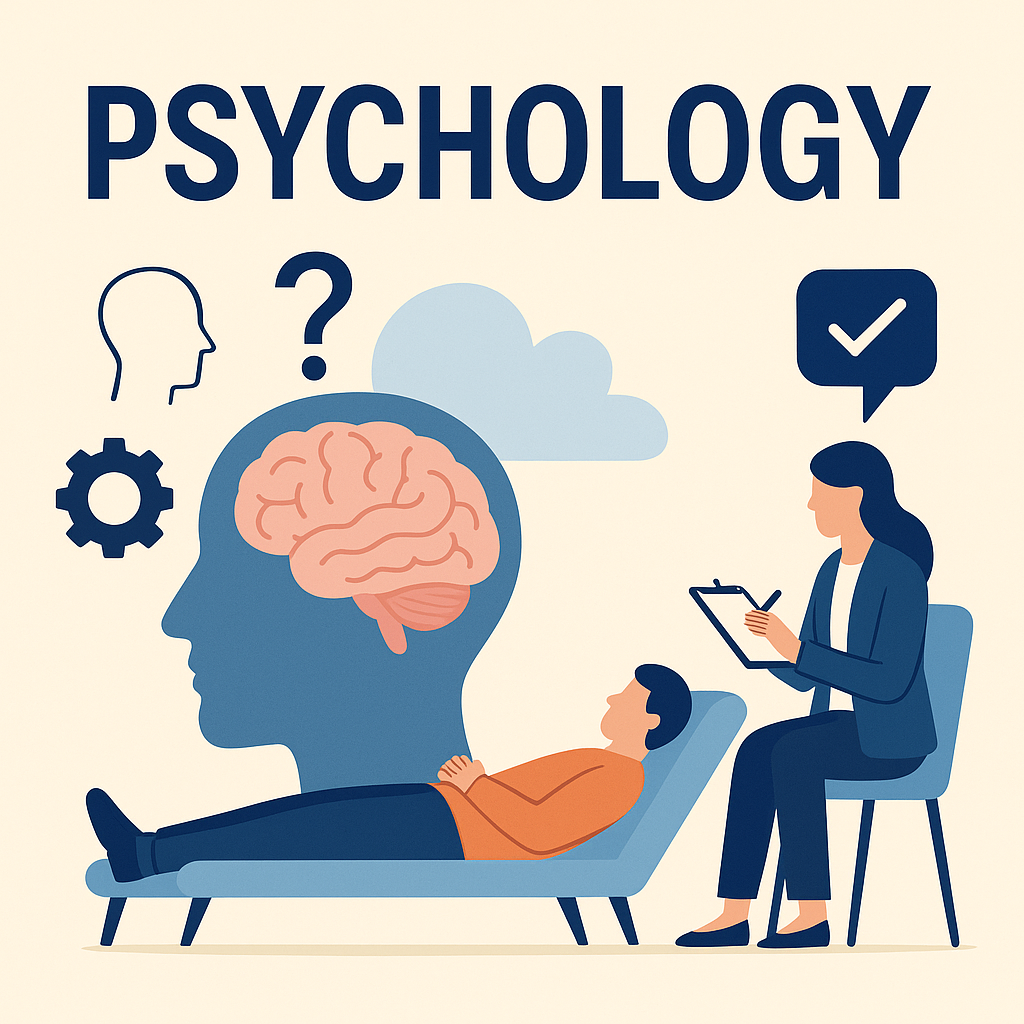
Educational Psychology explores how people learn and how teachers can apply psychological principles to improve teaching, learning, and assessment. The course provides a comprehensive understanding of the cognitive, emotional, and social processes that underlie learning in diverse educational contexts. It bridges theory and classroom practice, equipping future educators with the knowledge and skills to create effective, inclusive, and motivating learning environments.
Key areas of focus include major theories of learning—behaviorism, cognitivism, constructivism, and humanism—and their implications for teaching strategies. Students examine developmental stages of learners, individual differences, and cultural influences that affect learning outcomes. Attention is given to motivation, classroom management, learner engagement, and the psychology of assessment and evaluation.
The course also emphasizes reflective practice and critical thinking, helping learners understand how psychological research informs educational decisions. Students will analyze case studies, engage in practical exercises, and apply psychological principles to real-world classroom challenges. Ethical issues in educational research and professional conduct are also discussed to foster responsible practice.
By the end of the course, students should be able to interpret learner behavior through psychological frameworks, design instruction based on learners’ cognitive and emotional needs, and implement strategies that promote lifelong learning. The course lays a foundation for effective teaching by integrating scientific understanding of learning processes with the art of pedagogy.
- Teacher: CHILUFYA MWANGILWA
- Teacher: HARRISON PHIRI
- Teacher: Admin User
- Teacher: Dickson Kangombe
- Teacher: NAKUBYANA MUKUMANO
- Teacher: Admin User
- Teacher: MANSON MALANGA
- Teacher: Oscar Sinkala
- Teacher: Admin User
- Teacher: PARCKSIVIA MWILA
- Teacher: Admin User